





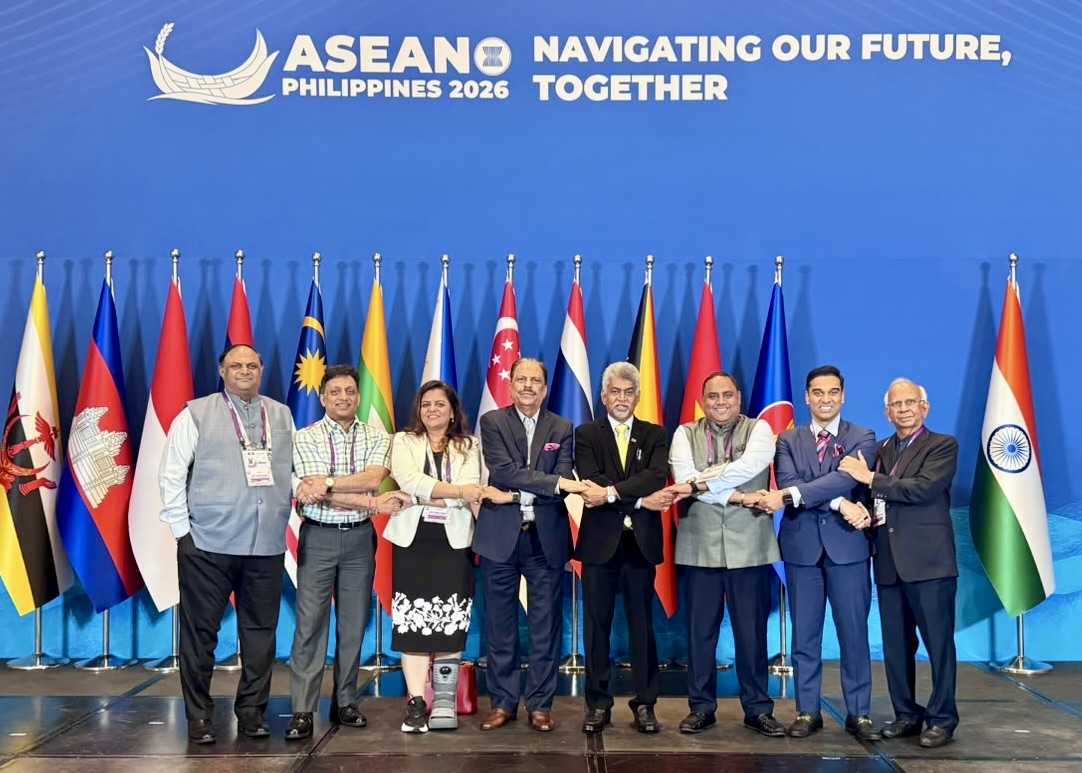


With a landmark trade agreement days away from taking effect, Union Commerce and Industry Minister Piyush Goyal’s three-day London visit from June 25–27, 2026 sent a clear signal: the India-UK economic partnership is entering a new and consequential chapter and the footwear industry has a seat at the table.
A Historic Agreement on the Horizon
The centrepiece of Goyal’s visit was a final review of preparations for the India-UK Comprehensive Economic and Trade Agreement (CETA) and the companion Double Contribution Convention (DCC), both of which come into force on July 15, 2026. Bilateral meetings with UK Secretary of State for Business and Trade Peter Kyle focused on regulatory roadmaps, customs coordination, tariff liberalisation and professional mobility the operational architecture that will determine how effectively both nations capitalise on the agreement.
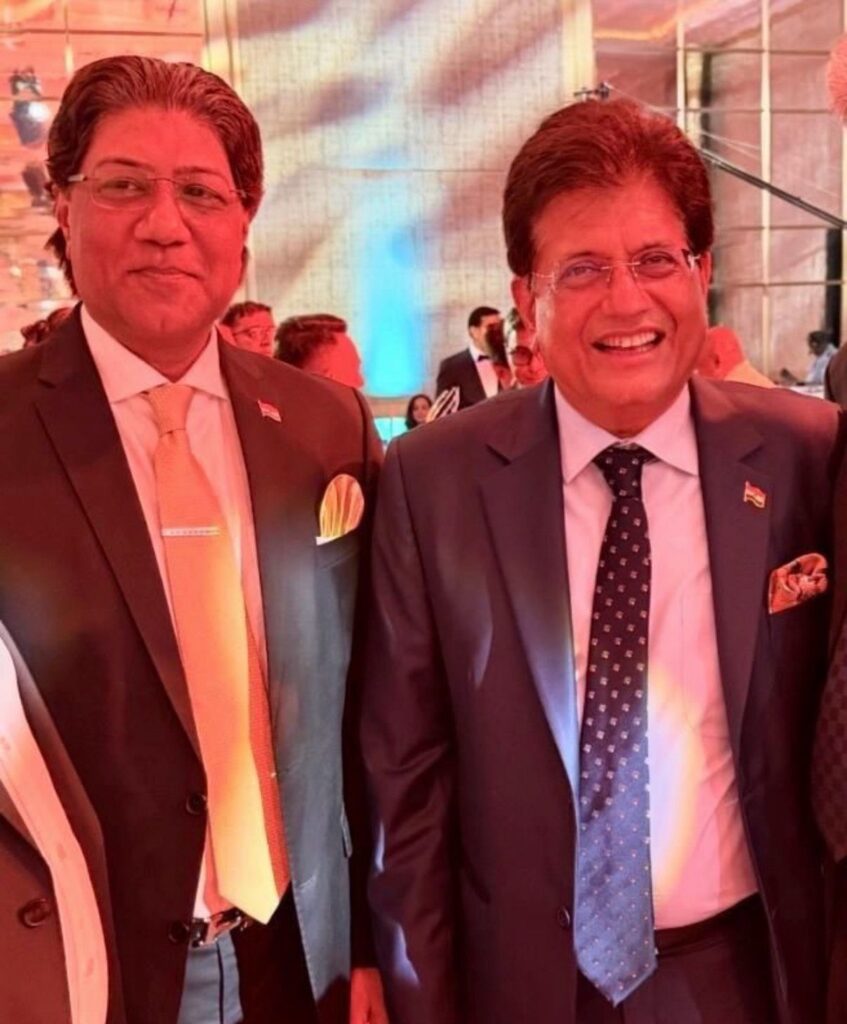
Goyal also delivered the keynote address at the India Global Forum’s opening plenary, speaking on the theme “Capital, Innovation and the UK-India Moment” a framing that captures the ambition driving this bilateral relationship at a pivotal moment in global trade realignment.
Footwear’s Voice in the Room
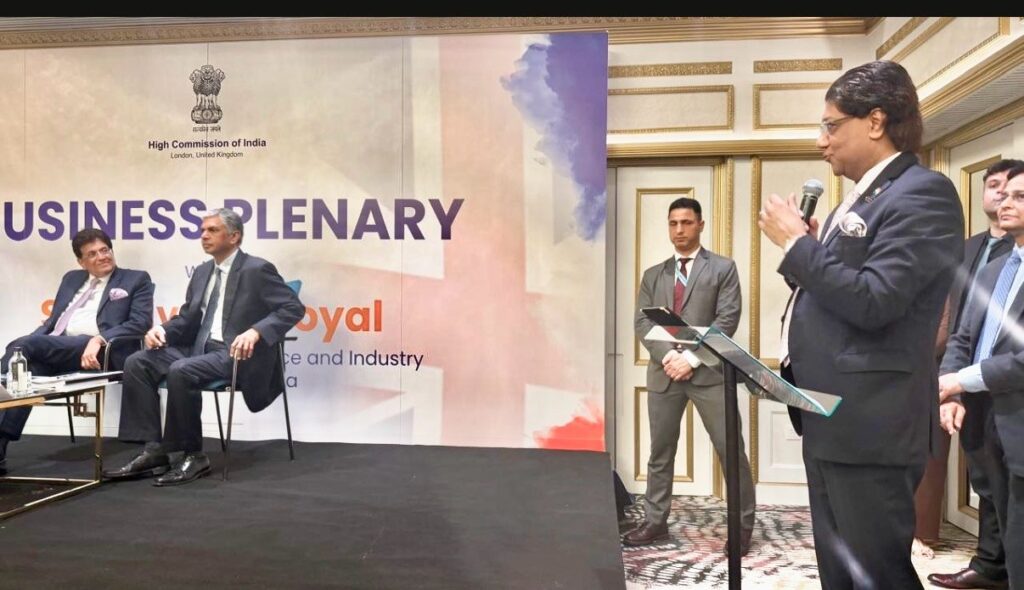
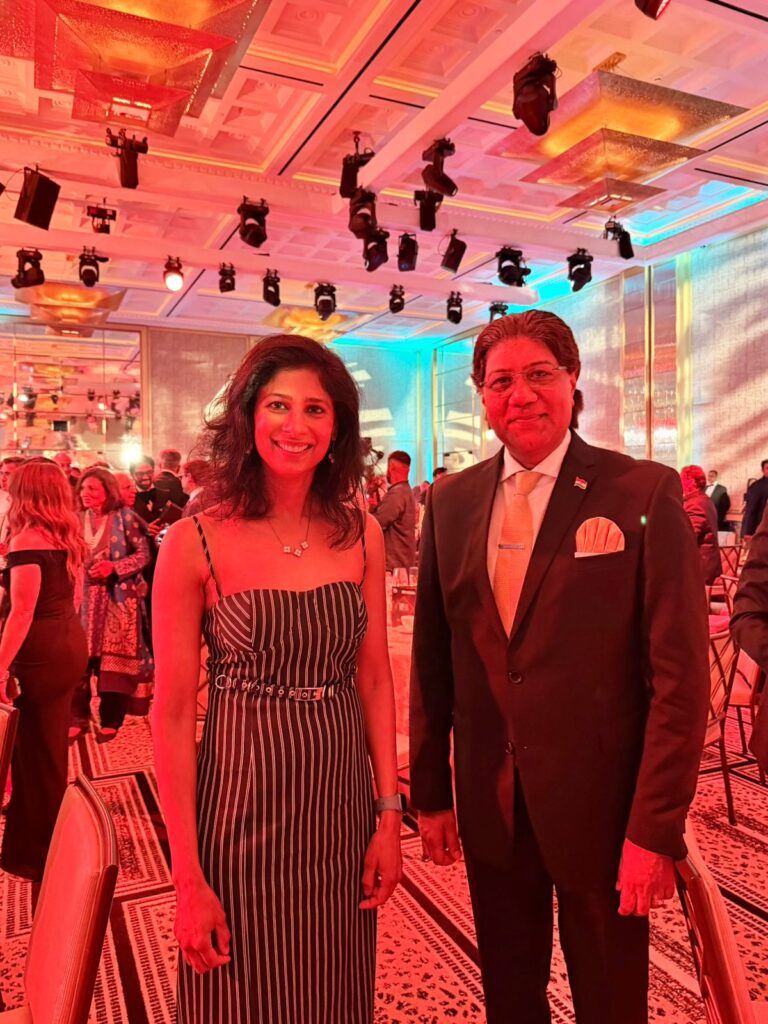
For India’s footwear industry, the most significant moment of the London visit may have been the presence of Aqeel Panaruna, Chairman of Florence Shoe Company, as part of the official Indian business delegation. Panaruna represented the footwear sector at the 10th Annual UK–India Awards & Gala Dinner and Welcome Reception, held at The Peninsula London on June 25, and participated in the India–UK Business Roundtable and Plenary Session placing footwear directly within the conversations shaping the bilateral trade agenda.
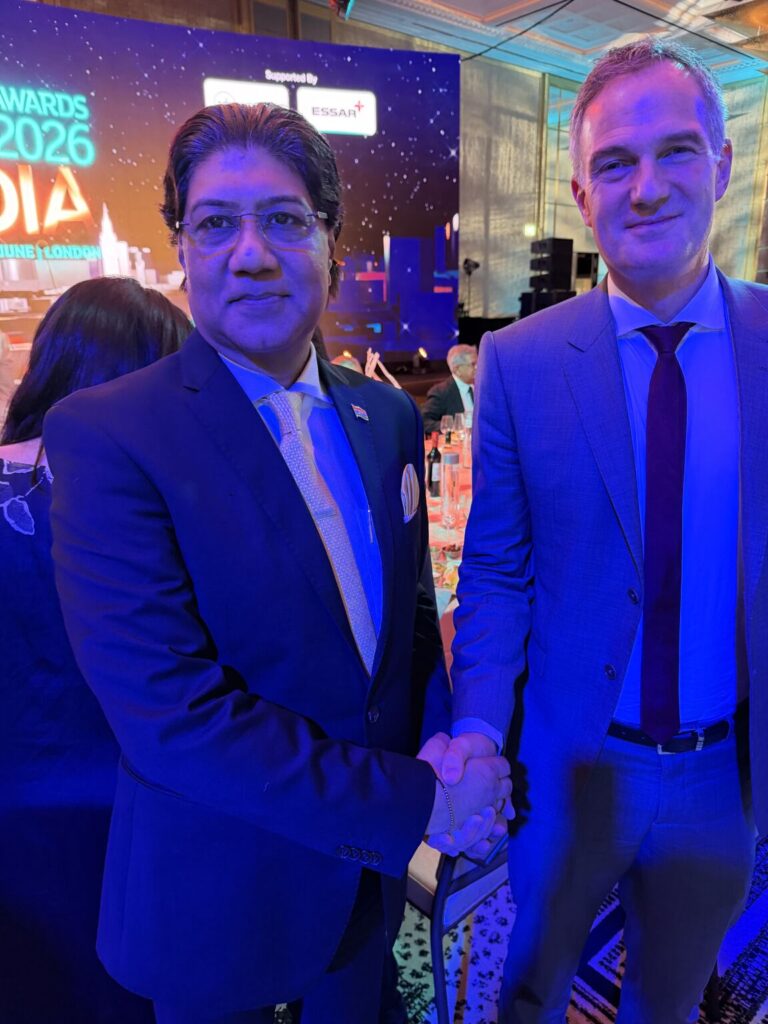
In a further demonstration of the sector’s engagement, Panaruna met Peter Kyle to share the opportunities the CETA agreement unlocks for manufacturing, trade and investment in footwear industry that stands to benefit meaningfully from reduced tariffs and improved market access between two of the world’s most significant fashion and footwear economies.
What CETA Means for Footwear
The India-UK CETA is expected to progressively eliminate or reduce tariffs on a wide range of goods, including footwear, leather products and accessories categories where Indian exporters have long faced competitive disadvantage against suppliers from countries with preferential trade access to the UK market.
For India’s footwear export community, the agreement arrives at a moment of considerable momentum. Tamil Nadu has emerged as a global manufacturing hub, attracting investment from leading international brands and Taiwanese supply chain majors. Indian brands are expanding internationally. And the government is actively pushing quality upgradation and export diversification as pillars of its trade strategy. Against this backdrop, the CETA offers tangible advantages: lower duties on Indian-made footwear entering the UK, greater ease of doing business for Indian exporters and brands, and improved conditions for investment flows in both directions.
A Partnership Built for the Long Term
The India–UK Business Roundtable brought together ministers, policymakers, investors, academics, diplomats and business leaders committed to building resilient supply chains, fostering innovation and expanding bilateral commerce. The gathering reflected a shared understanding that the relationship between the world’s fifth and sixth largest economies has moved well beyond rhetoric. Reflecting on the visit, Aqeel Panaruna paid tribute to the political leadership that made the agreement possible.
“My sincere gratitude to our Prime Minister, Shri Narendra Modi Ji, whose visionary leadership and reforms have positioned India as a trusted global economic partner and made this historic agreement possible,” he said. “I also thank the Minister of Commerce & Industry, Shri Piyush Goyal Ji, for his leadership in advancing India’s trade agenda.”
For the footwear industry an industry built on craftsmanship, global supply chains and the constant pursuit of new markets the India-UK CETA represents exactly the kind of structural opportunity that reshapes competitive landscapes. The countdown to July 15 has begun.