




Tariff cuts look impressive on paper, but what matters to exporters is whether the goods clear customs. That was the message Puran Chand Dawar took to Manila on 22 September.
– S&A Bureau report
A Footwear Voice at the Ministerial Table
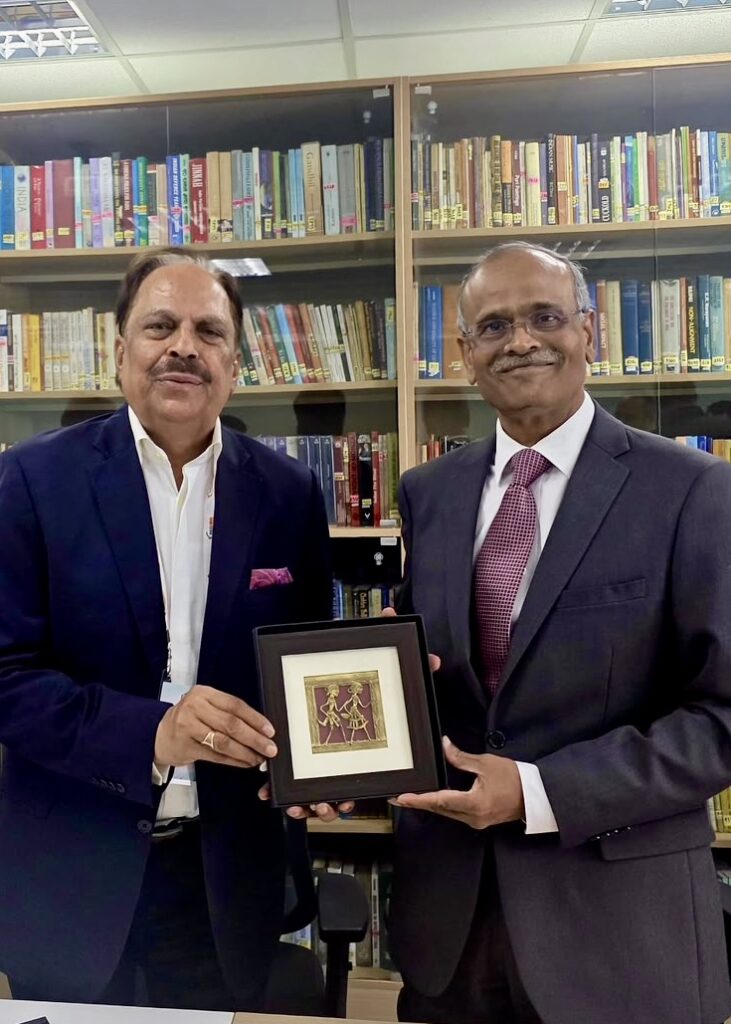
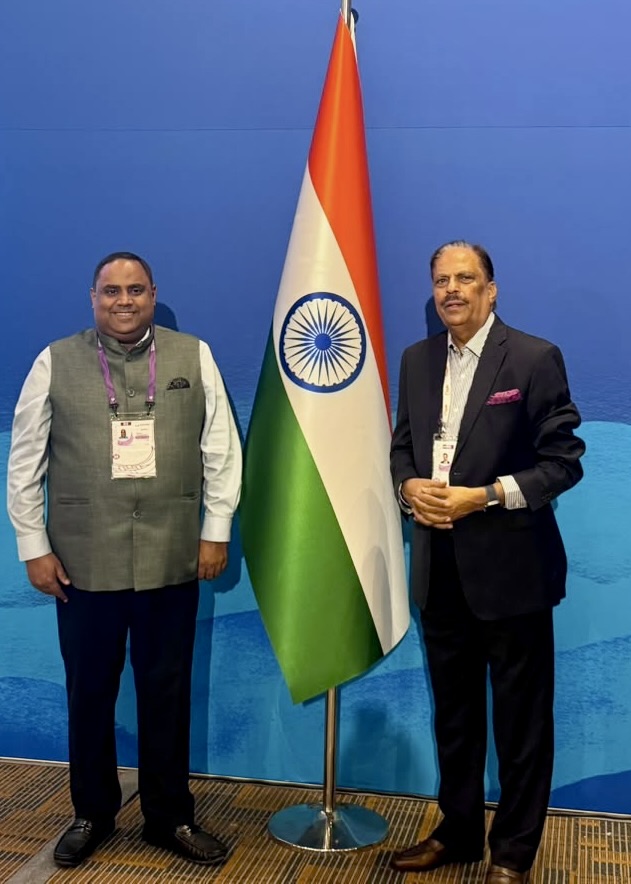
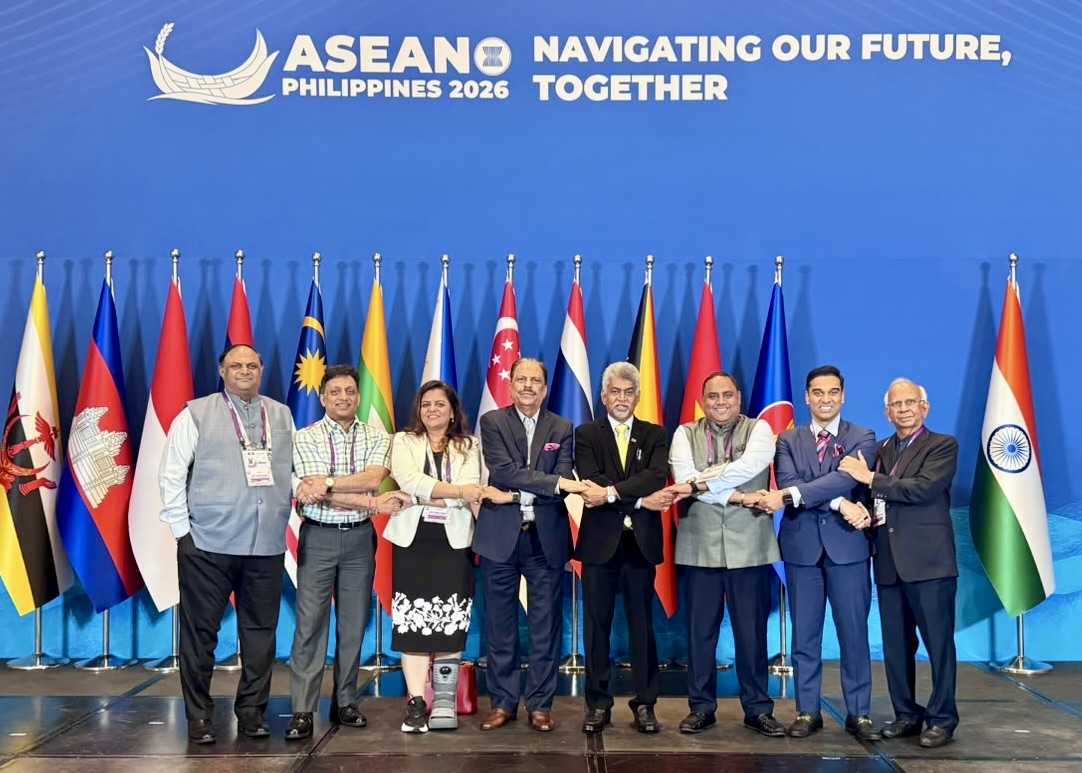
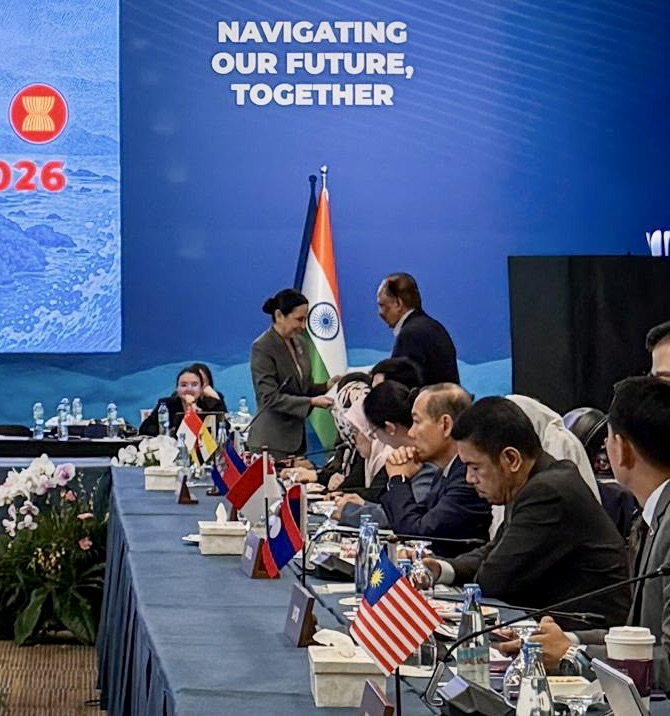
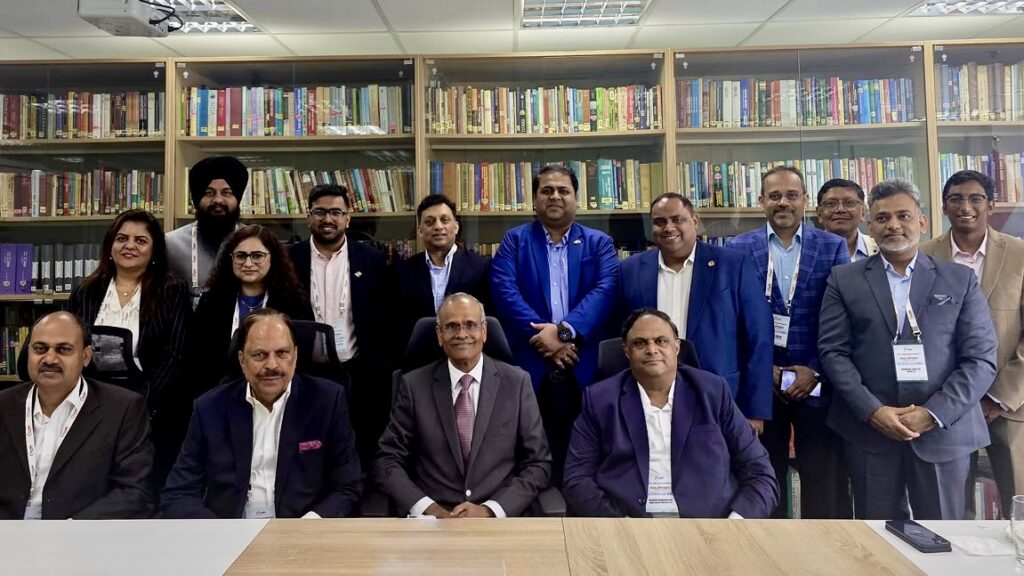
Puran Dawar, Chairman of Dawar Footwear Industries and Senior Member of FICCI, Lead the delegation To ASEAN- India AEM Meet and Presented Concerns of India and Fast review of ASEAN -India Partnership Agreement 2010, held at the Philippine International Convention Center. He addressed ASEAN ministers, Philippine Trade Secretary Maria Cristina Aldeguer-Roque, who chaired the consultation, and Nitin Kumar Yadav, Additional Secretary at India’s Department of Commerce.
A 2.1 Billion-Consumer Opportunity
Dawar noted that India’s 1.4 billion consumers and ASEAN’s nearly 700 million together make up almost a quarter of humanity. Merchandise trade reached about US$123 billion in 2024-25, which he called well below its potential. The ASEAN-India Trade in Goods Agreement dates from 2010, and he called its ongoing review “timely and necessary” given how much technology and supply chains have changed.
Beyond Tariffs
Dawar said India is not seeking lower standards. It wants transparent standards applied fairly, mutual recognition of accredited testing and certification, simpler customs procedures and predictable approvals. Footwear exporters dealing with certification delays and shifting compliance rules will find these demands familiar.
Footwear was not among the seven priority sectors Dawar highlighted: automotive, bovine meat, laminates and plywood, glass, home and personal care, pharmaceuticals, and steel. But the outcomes he proposed apply across sectors:
- Easier digital customs
- Wider mutual recognition of accredited standards and test reports
- Transparent quotas and licensing
- A time-bound mechanism to resolve market-access disputes
“These are not requests for special treatment. They are requests for equal treatment, predictability and reciprocity.” — Puran Chand Dawar
The Bottom Line
For footwear, any deal that makes customs and certification faster and more predictable could matter as much as a tariff cut. If ASEAN and India open markets in practice, Dawar argued, trade can grow well beyond US$123 billion, with more investment, stronger supply chains and more jobs.